
I stared at my Europe itinerary last summer. Museums everywhere, but no time to breathe. Walked 20,000 steps daily, feet aching, missing the cafes. Felt scattered.
You’ve been there—options overload.
This pulls it together.
How to Choose Activities in Europe Travel
This is the way I sort activities now. You’ll build a schedule that fits your pace and energy. Days feel full but not forced, leaving room for what surprises you.
What You’ll Need
- Rick Steves Europe guidebook
- leather travel journal
- compact daypack
- comfortable walking sneakers
- portable phone charger
- reusable water bottle
- eSIM for Europe data
- pocket city map set
Step 1: Gauge Your Energy and Days
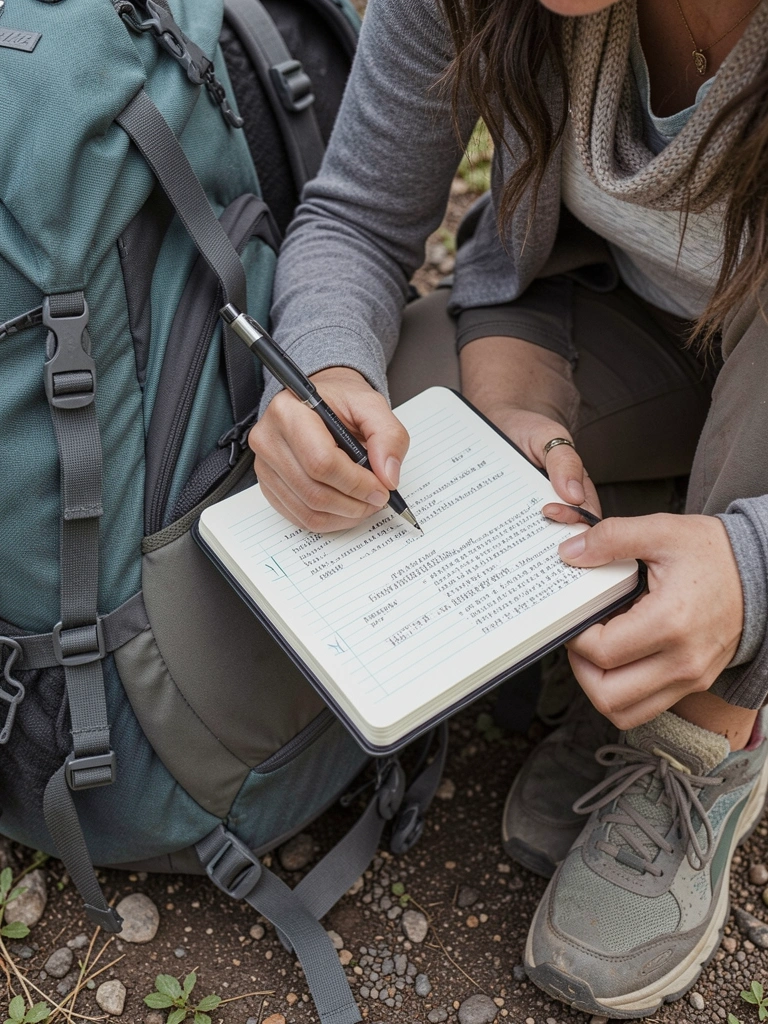
I start here every trip. Look at total days left and how I feel—tired from flights or fresh? City like Paris drains fast; countryside revives.
This sets the base. Your list shrinks to what matches. Visually, the page clears—fewer scribbles.
People miss how jet lag shifts everything. I once packed museums day one; dead by noon.
Skip overplanning rest. Pencil in one slow morning first.
I feel the shift immediately. Schedule breathes. No more crammed pages.
Step 2: Pin Your Top Interests
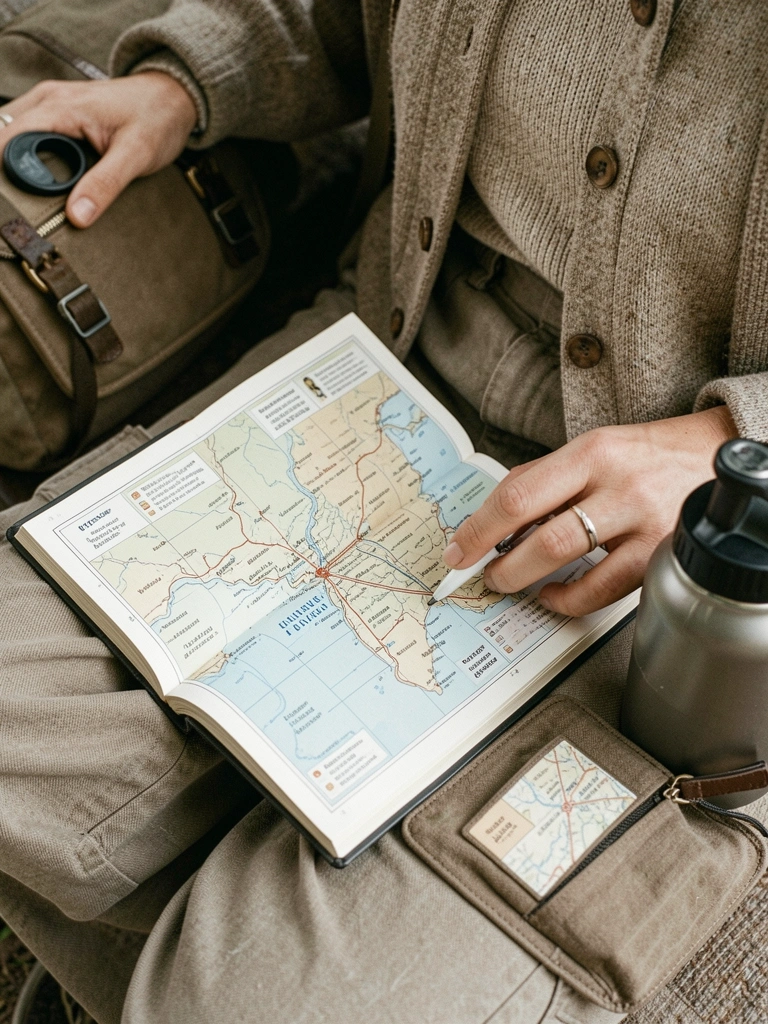
Next, I grab my guidebook and journal. What pulls me—history, food, walks? Write three musts, five wants. Rome? Colosseum yes, but pasta tour too.
The page fills with checks. It looks focused now, not endless.
Missed insight: interests evolve. I thought art museums; ended loving markets more.
Don’t chase Instagram spots. They crowd up, feel flat.
This narrows it clean. Trip shape emerges.
Step 3: Check Distances and Flow
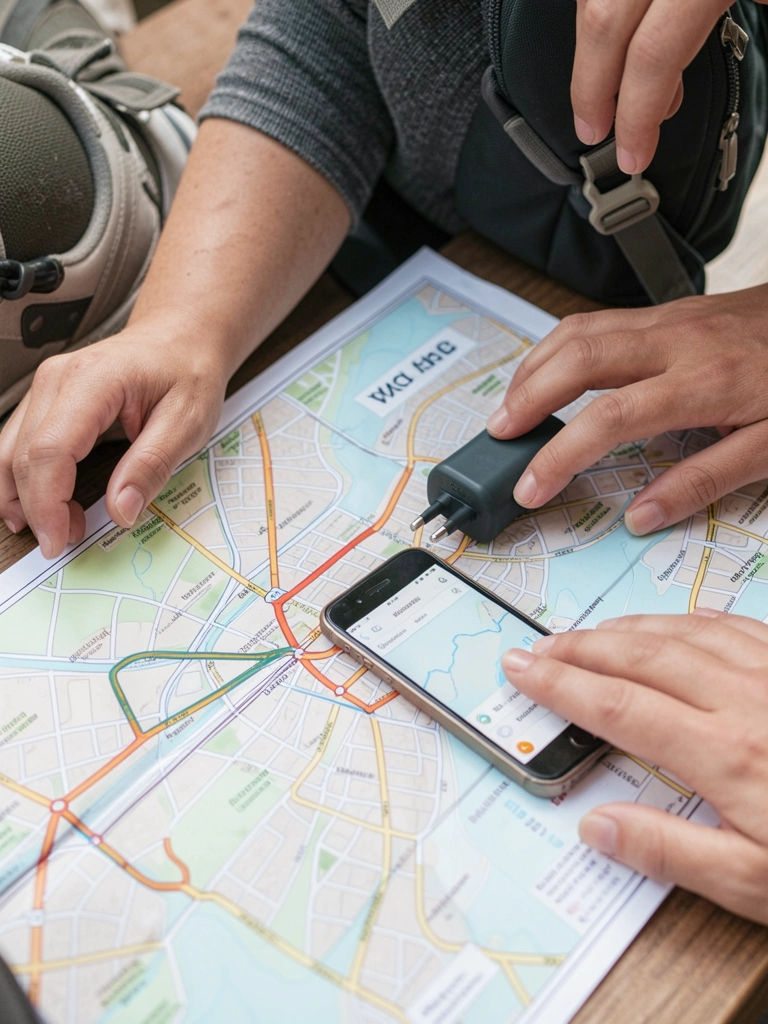
I pull out maps and eSIM for quick searches. How far between spots? Group by neighborhood—Paris Marais in one go.
Itinerary lines connect smoothly. No zigzags.
Common skip: transit time eats hours. Trains beat walking five miles.
Avoid backtracking. Once did Vatican to Trastevere twice; lost half a day.
Flow feels right now. Days link up.
Step 4: Balance Highs and Lows
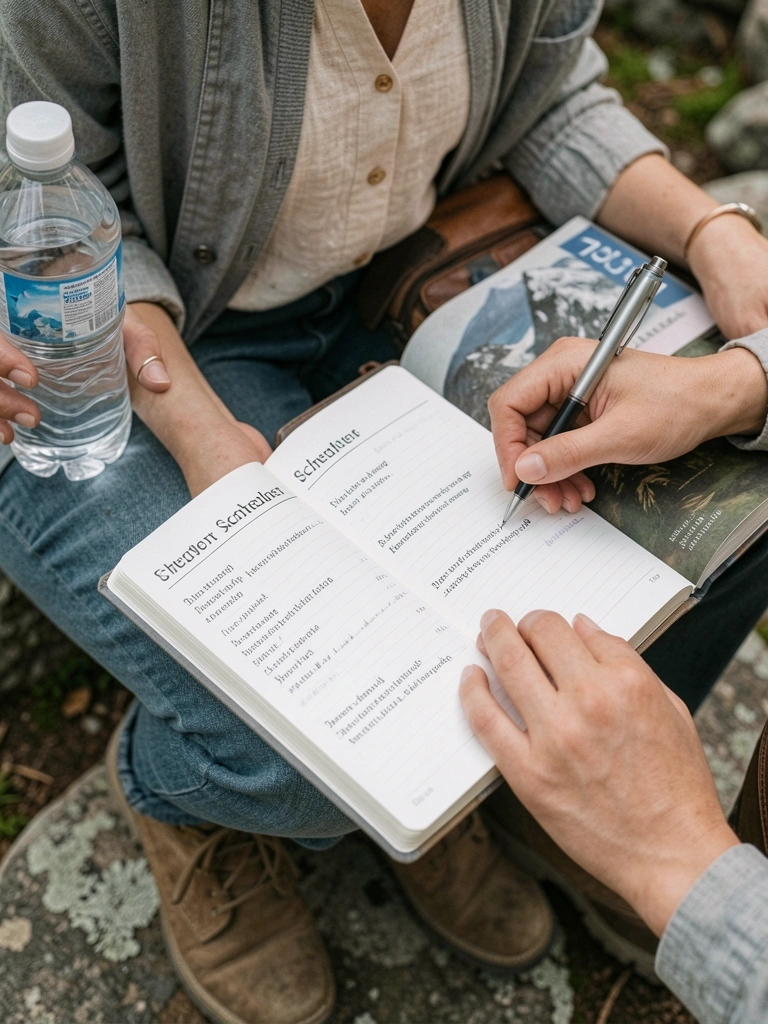
Here I mix it. Hike morning, cafe afternoon. One big sight per day max. Alps? Trail then village wander.
Paper shows rhythm—peaks and valleys. Balanced.
Insight folks miss: recovery builds joy. Back-to-back castles wore me out.
Don’t fill gaps. Leave 30 minutes buffer; it saves sanity.
Pace settles in. Energy holds.
Step 5: Swap in Local Picks
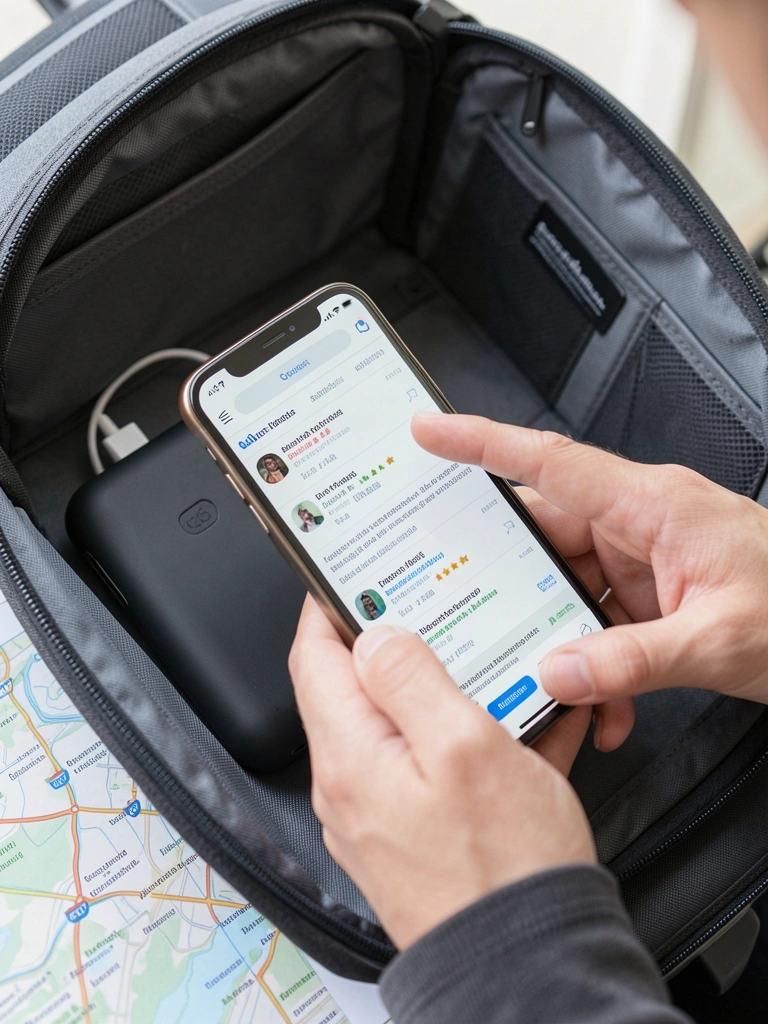
Last, I scan local forums via data plan. Swap tourist traps for hidden walks. Florence? Locals’ gelato over lines.
Final list glows real. Practical, mine.
Overlooked: seasons shift picks. Winter? Indoor markets over hikes.
Steer clear of untested fads. Stick to reviewed paths.
It’s set. Trip feels mine.
Common Mistakes I’ve Made
I’ve crammed too much before. Days blurred.
Feet hurt from ignoring walk counts. Always test shoes first.
- Overlook group fit—solo loves wanders; friends want tours.
- Ignore weather apps. Rain kills open-air plans.
Now I double-check flow.
Adapting for Seasons
Summer heats up walks. I pick mornings, shade spots.
Winter shortens days. Museums lead, lights after.
- Spring: Gardens bloom—prioritize.
- Fall: Fewer crowds, longer hikes.
Matches the feel outside.
Solo vs Group Choices
Alone, I chase quiet paths. Time my own.
With others, vote quick. Compromise one big, rest flexible.
- Groups: Book slots early.
- Solo: Follow whims, less rush.
Keeps everyone steady.
Final Thoughts
Start with one city. Test this on Paris or Berlin.
You’ll see what fits. Tweak as you go.
Trips land balanced, yours. No regrets.
Leave a Reply