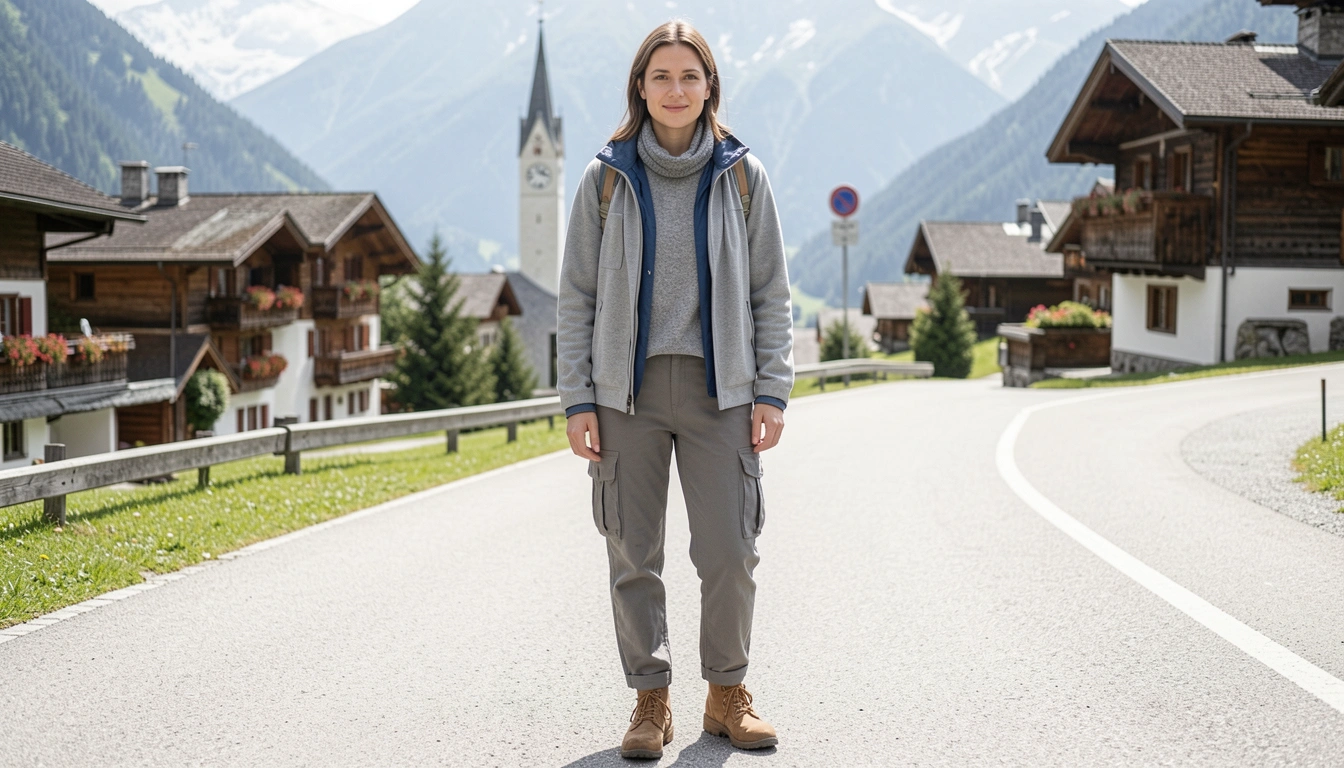
I once landed in Zurich under blue skies, but by afternoon rain soaked my cotton tee. Then the Alps hit with chill winds. My bag bulged with mismatched clothes that never fit the moment. Outfits bunched or overheated. I looked sloppy, felt off-balance.
Switzerland demands layers that shift with the weather. No bulk, just smart fits.
This guide fixes that. You'll build wearable stacks for cities, trains, trails.
How to Travel in Switzerland
Here's my go-to way to layer for Switzerland trips. You'll get outfits that breathe in valleys, insulate on peaks, repel rain anywhere. Balanced proportions, no fuss. Ready for a full week of varied spots.
What You’ll Need
- Merino wool long-sleeve base layer in gray
- Lightweight fleece midlayer pullover in navy
- Packable waterproof shell jacket in black
- Stretch quick-dry hiking pants in khaki
- Waterproof mid-height hiking boots in brown
- Thick wool-blend socks in gray
- Knit beanie hat in navy
- Lightweight wool scarf in gray
Step 1: Start with the Base Layer
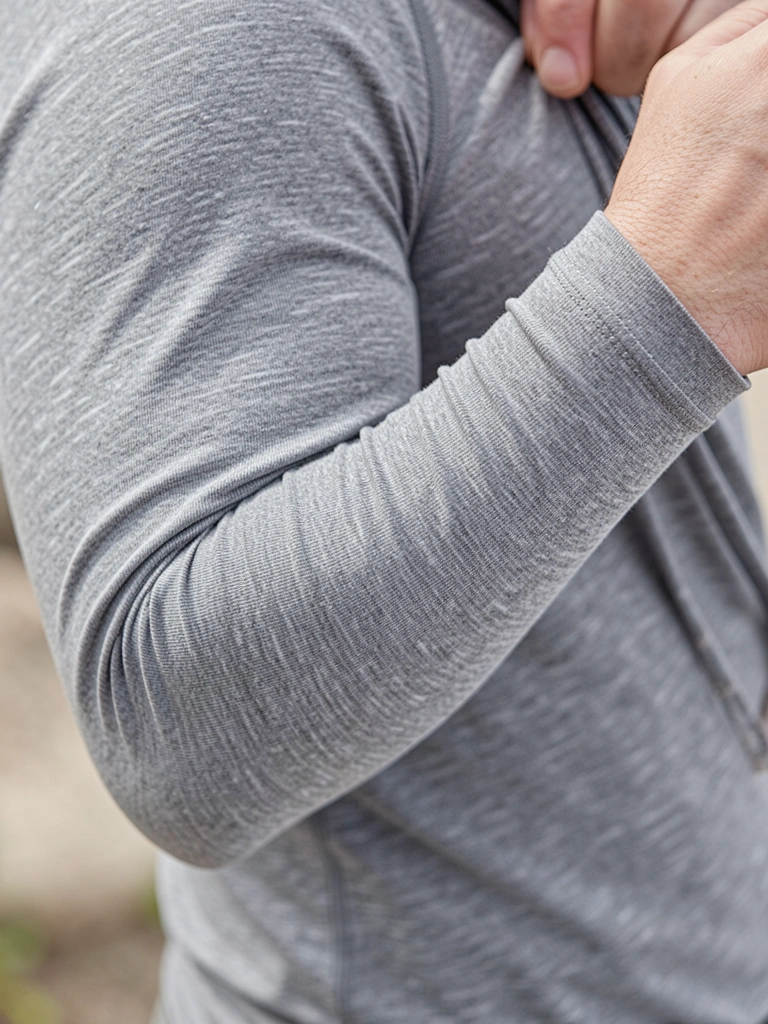
I slip on the merino wool long-sleeve base first. It hugs without squeezing, wicks sweat fast. Why? Switzerland's sun warms quick, but shade chills. This keeps my core steady.
Visually, it smooths my torso. No bulky lines under outer pieces. Proportions stay even.
People miss how merino fights odor – I wear it days without washing. Avoid cotton; it clings damp, feels heavy.
My torso feels right, ready for more.
Step 2: Layer in the Fleece Midlayer
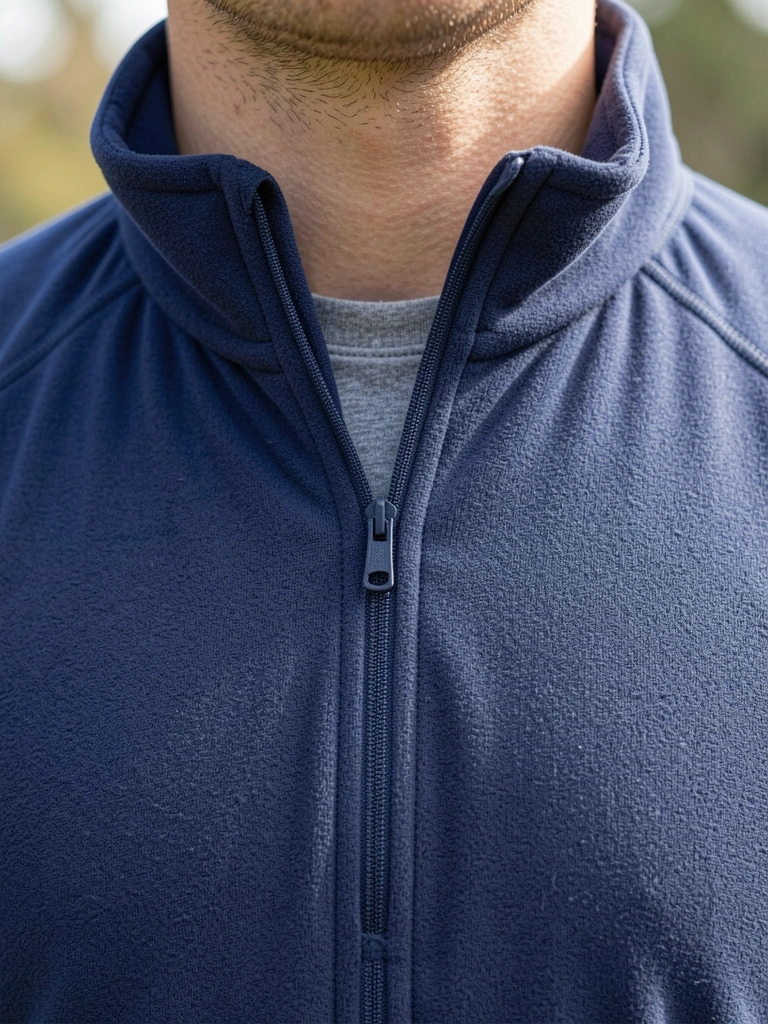
Next, I pull the fleece pullover over the base. It traps warmth without bulk. Arms move free for train seats or short hikes.
The navy adds depth to the gray base. Outfit gains balance – not too slim, not puffy.
Insight: Fleece packs tiny, unlike thick sweaters. Mistake to skip it; base alone leaves you cold in wind.
Now my upper body feels insulated, even.
Step 3: Seal with the Waterproof Shell
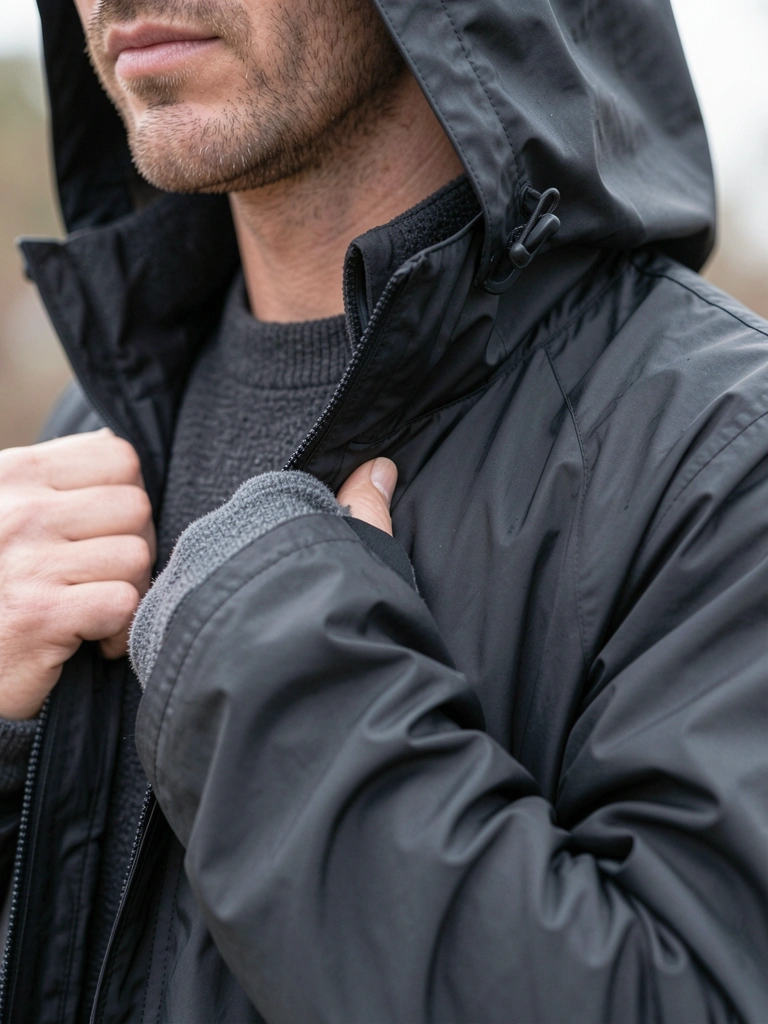
I top it with the shell jacket. Zips over fleece easy, blocks rain or snow. Breathable enough for uphill walks.
Black shell grounds the grays and navy. Full silhouette balances – torso structured, not overwhelmed.
Most forget shells pack to fist-size for bags. Don't use heavy coats; they overheat in sun.
Upper layers done. Protected, mobile.
Step 4: Pair with Quick-Dry Bottoms
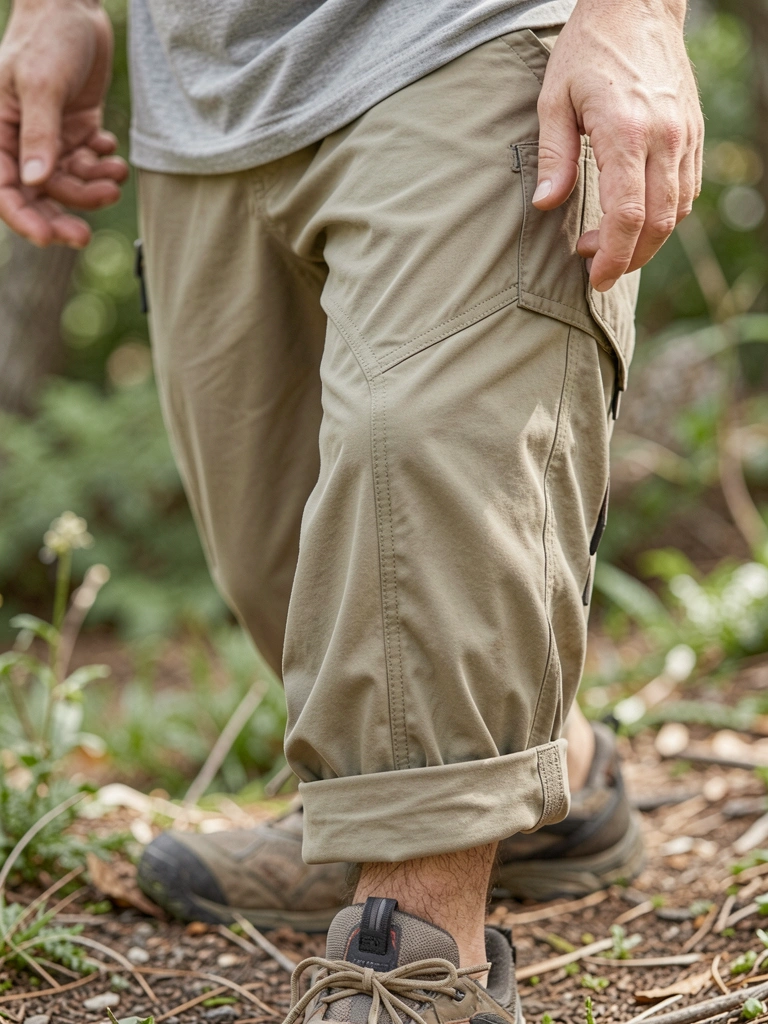
I step into the hiking pants. Stretchy, dry fast after puddles. Full length hits boot top, no drag.
Khaki contrasts tops neutrally. Legs look proportional to layered upper – not skinny, not baggy.
Key: They flex for squats in cable cars. Avoid jeans; stiff and slow to dry.
Bottoms feel secure, versatile.
Step 5: Ground with Boots and Socks
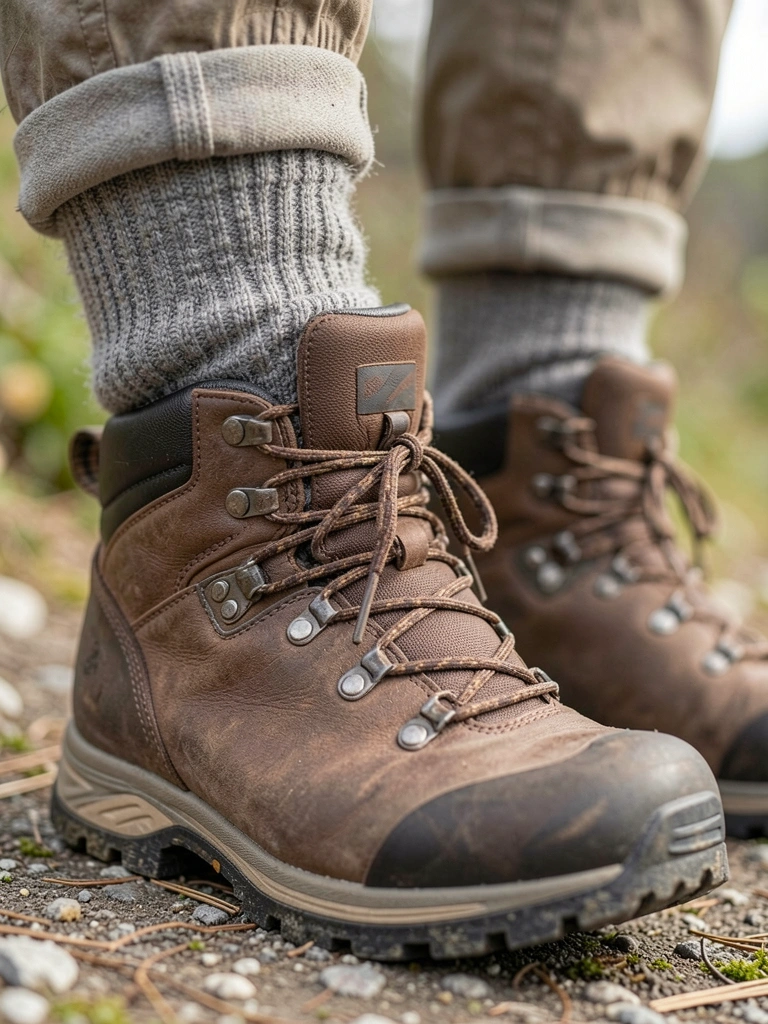
Last, thick socks into boots. Wool blend cushions long walks; boots grip wet rocks or pavement.
Brown boots anchor khaki pants. Whole outfit balances – sturdy base, light top.
People overlook mid-height for ankles. Skip low sneakers; they slip on trails.
Feet solid. Outfit complete.
Step 6: Add Head and Neck Cover
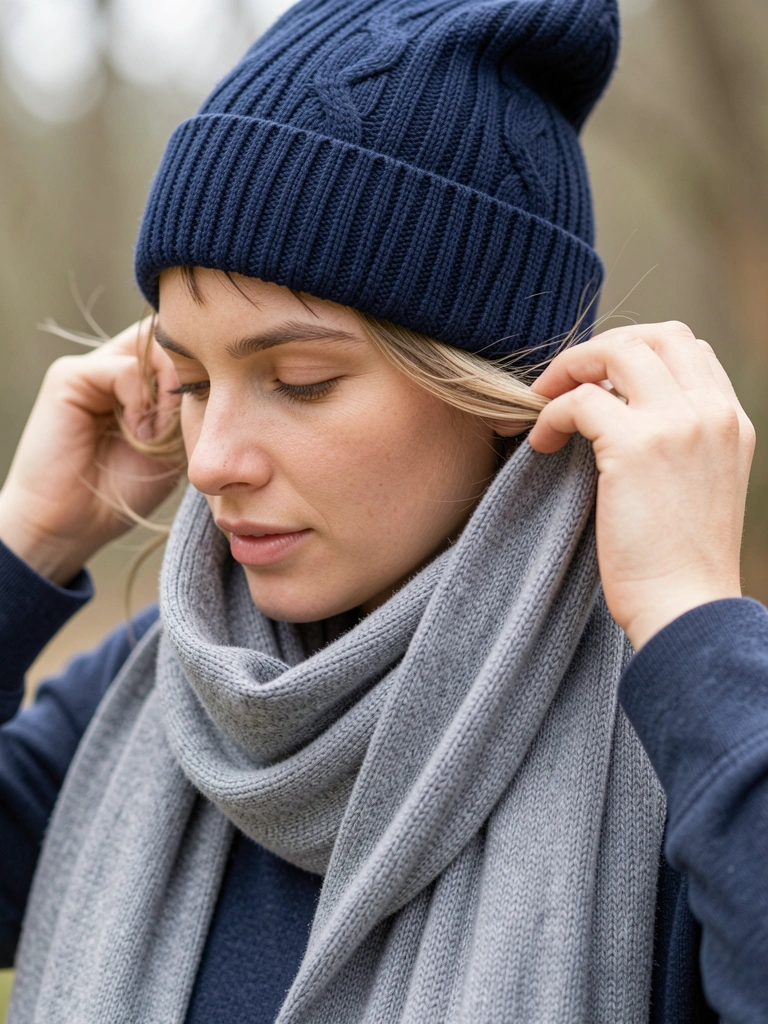
I tuck the scarf loose, pull on beanie. Wind off lakes bites; these shield without itch.
Navy and gray tie the palette. Proportions stay clean – no floppy ends.
Insight: Both stuff into pockets quick. Don't overload with gloves early; hands warm fine.
All set. Feels balanced head to toe.
Switzerland Weather Shifts
I check forecasts, but mountains ignore them. One hour sunny Lucerne, next sleet.
Layers let me peel or add. Base stays on always.
- Valleys: Shell off, fleece half-zip.
- Peaks: Full stack plus scarf tight.
- Rain: Hood up, pants cuffs in boots.
No panic changes. Just adjust.
City Streets to Mountain Paths
Zurich cafes call for neat layers. Zermatt trails need grip.
My stack works both. Shell dresses up or down.
Bullets for swaps:
- City: Swap boots for clean sneakers if packed.
- Trails: Scarf as neck gaiter.
- Trains: Beanie in bag, look casual.
Proportions hold everywhere.
Carry-On Packing for Flights
I roll layers tight. One bag for 10 days.
Focus on multiples:
- 3 bases, 2 fleeces.
- Pants double as sleepwear.
- Boots worn on plane.
Laundry mid-trip if needed. Light means free hands for trains.
Final Thoughts
Try one trip with this stack. Start with base and fleece.
You'll move easier, look put-together.
Switzerland feels approachable. Your outfits just work.
Leave a Reply